Closing the Capital Gap for Agri SMEs in AfCFTA
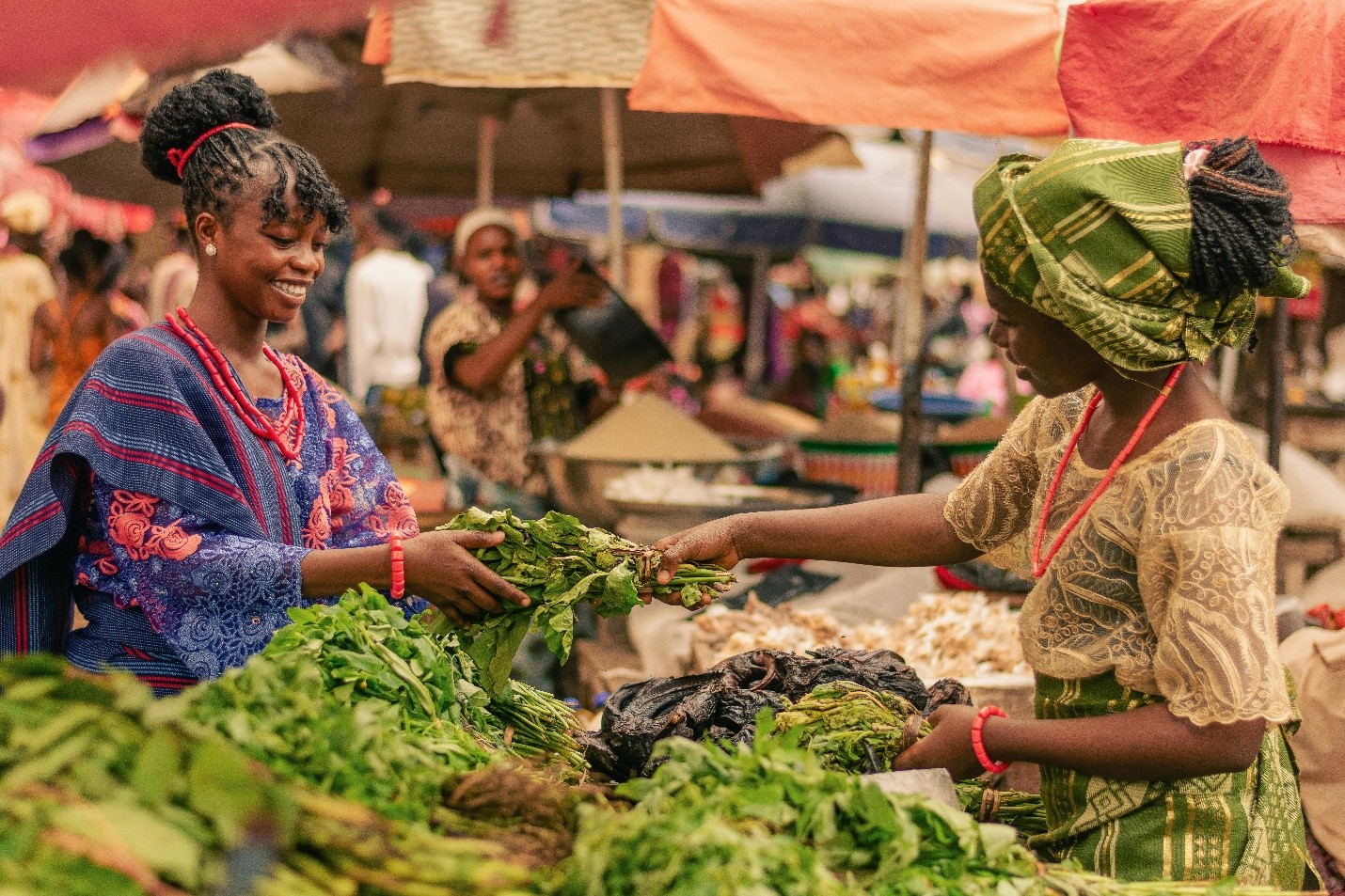
The African Continental Free Trade Area (AfCFTA) agreement is steadily reshaping Africa’s economic landscape by creating a unified market of over 1.3 billion people, across African Union’s 54 signatory states with a combined GDP of $3.4 trillion. The single market is streamlining the movement of goods, services and investments across borders, through lowering trade barriers. The initiative has moved beyond policy formulation to real market implementation, as countries are not only ratifying the agreement but trading amongst themselves. Under the Guided Trade Initiative (GTI), the AfCFTA preferential terms are enabling African countries to exchange, agro processed foods, pharmaceuticals, textile industrial inputs among others.
Trading under AfCFTA
In October 2022, Kenya began trading under the GTI, exporting products such as locally made batteries and tea to Ghana. The process was critical in stress testing the agreement’s key operational instruments in real trading conditions. In an ideal operational flow, the process begins with the AfCFTA Hub, which serves as the entry point for trade information, documentation requirements, and market access guidance. What follows is the rules of origin framework, requiring exporters to bear the burden of proof that their goods are locally produced, upon which they are issued with AfCFTA’s certificate of origin. The certificate is presented to customs authorities in the importing countries, who confirm if the goods are eligible for preferential treatment. The authorities reference the AfCFTA tariff schedules and the AfCFTA e-Tariff Book for the relevant duty rates and ensure the correct preferential tariffs are applied. Alongside this, the online non-tariff barriers (NTB) reporting mechanism provides a system for traders and officials to identify and resolve challenges such as delays, excessive paperwork, or restrictive measures encountered during trade. Finally, the Pan-African Payment and Settlement System (PAPSS) augments the transactions by enabling faster,
more efficient cross-border payments in local currencies, helping to complete the end-to-end trade process. The GTI exposed practical gaps and inefficiencies across all the five instruments, allowing stakeholders to refine procedures and build confidence before scaling up full AfCFTA implementation. Currently, over 30 countries have been approved to join the GTI framework as it expands.
Access to capital gap
While trading under AfCFTA, has bolstered market access, one question lingers on: How can more Agri SMEs especially women and youth led businesses, fully participate in cross border trade in a sustainable way?

In my work across investment readiness and Agri finance. I have observed a clear gap between market opportunity and financial enablement. Agri SMEs are increasingly becoming better prepared to engage investors. They can structure financial models, refine business cases, and articulate growth strategies more effectively than ever before. However, many still struggle to convert this readiness into execution because they lack access to appropriate trade finance. The gap highlights a simple reality: market access does not directly translate to market participation. Even with AfCFTA lowering trade barriers, Agri SMEs still face practical financial constraints such as working capital shortages, limited access to credit guarantees, high collateral requirements, and fragmented financial systems. These challenges are particularly acute for women and youth-led enterprises, that are actively participating in cross border trade and are often operating in informal or semi-formal value chains.
The role of Blended Finance
This is where blended finance becomes a critical enabler. Blended finance provides a strategic use of concessional capital to mobilize private investments. It offers one of the most practical tools to bridge the gap between market access and financial access. It is not a replacement for commercial finance, but a mechanism to unlock it at scale, particularly for the underserved sectors such as Agriculture. There are several instruments that are already demonstrating value:
- First-loss capital structures are helping de-risk investment into Agri SMEs. They absorb initial losses, from the underlying investment portfolio thereby encouraging commercial banks and private investors to support Agriculture and trade-linked SMEs.
- Guarantee mechanisms are also proving effective in unlocking trade finance products such as invoice discounting, purchase order financing, and letters of credit. Guarantees shift Agricultural lending from a collateral-constrained decision to a risk-managed opportunity, enabling financial institutions to extend capital to underserved Agri SMEs at scale.
- Catalytic capital is playing a complementary role by providing patient, flexible funding that allows Agri SMEs to transition from local operations into regional and continental trade. This type of capital is especially important in early-stage export development, where returns are not immediate but long-term trade potential is strong.
However, beyond individual instruments, there is a growing need for integrated blended trade finance platforms. Such structured facilities can combine capital sources and align them directly with Agri SME trade cycles. These platforms must go beyond traditional lending models and reflect how Agri SMEs operate within cross-border value chains. Women and youth-led enterprises stand to benefit most from such innovations because of their immense contribution to cross border trade.
Agri Frontier is playing a critical role in bridging the gap between market opportunity and capital deployment, operating at the intersection of enterprise development and capital mobilization. Importantly, Agri Frontier is now deepening this role by establishing its own investment fund designed to directly invest in the Agri SMEs it supports. This creates a full-cycle model that transitions investment readiness to direct pipeline for funding.
Ultimately, the opportunity ahead is not just to expand trade under AfCFTA, but to ensure that women and youth-led enterprises are active participants in shaping and benefiting from it. That will require more systems that connect market access to capital access in a deliberate and structured way, so that Agri SMEs are not only ready for the market, but fully financed to compete in it.
Author: Inzillia Sasi